



A personal approach
to body corporate management
That’s why we take the time to listen, tailoring our management approach to suit every person, their communication style and business preferences.
Receive an obligation
free proposal
Please contact us here if you are seeking a proposal for a building we don’t currently manage. If you are an existing BCsystems customer please email us at info@bcsystems.com.au
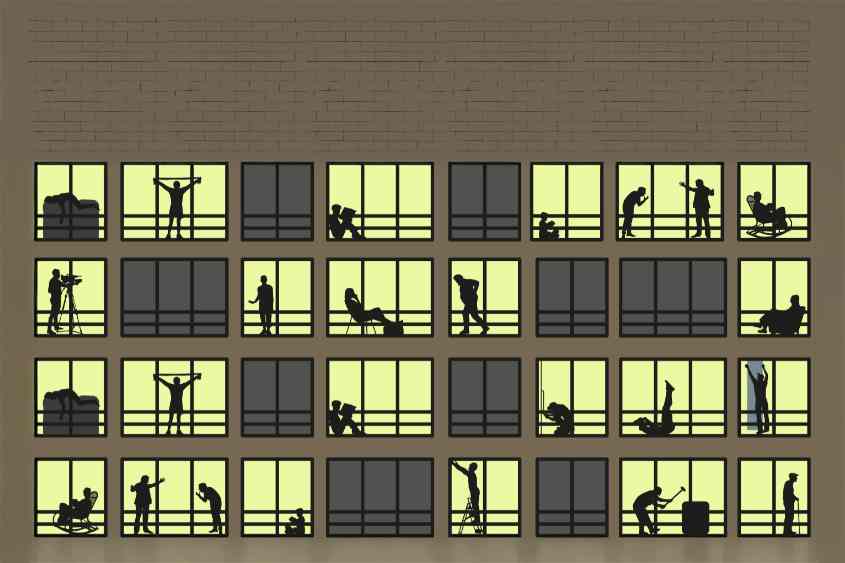
Living in a body corporate scheme means sharing spaces, responsibilities, and expectations with others. While there is no formal ‘code of conduct’ for owners and residents under Queensland’s Body Corporate and Community Management Act 1997 (BCCM Act), there are clear legal obligations and behavioural standards that apply and are enforceable.
Key responsibilities of residents under the BCCM Act
Even though the Act doesn’t set out a specific code of conduct for residents, it does establish several important responsibilities:
1. Compliance with the by-laws
Every body corporate scheme has its own set of by-laws which apply to lot owners, tenants, and visitors to the scheme. These by-laws typically cover things like:
- Noise and nuisance behaviour
- Keeping of pets
- Parking rules & towing
- Renovations and changes to lots
- Use of balconies and common property
- Smoking
- Regulation of common property
- Regulation of exclusive use
It’s the responsibility of all lot owners, to understand and follow these by-laws, and ensure their tenants and visitors do the same.
2. Respect other residents
Under section 167 of the BCCM Act, occupiers must not use their lot or common property in a way that causes a nuisance, hazard, or unreasonable interference to someone else’s use or enjoyment of their property. This includes issues like loud parties, cigarette smoke drift, or obstructing access to shared spaces or any other part of common property.
3. Maintaining your lot
Lot owners are responsible for keeping their individual unit or townhouse in good condition. This includes:
- Routine maintenance and repairs
- Preventing hazards such as leaks or broken fittings
- Ensuring the lot’s appearance does not detract from the overall building or complex
- Maintenance of exclusive use areas
4. Use common property responsibly
All residents share access to common areas like pools, gardens, hallways, or gyms. These should be used respectfully and in line with any rules set by the body corporate. Damaging or misusing common property can result in the owner being required to pay for repairs or facing formal dispute resolution in the event of by-law breaches or cost-recovery disputes.
5. Engage cooperatively
Constructive, respectful communication with fellow residents, committee members, caretakers and the body corporate manager helps resolve issues early and supports a positive living environment. Aggressive or abusive behaviour, whether in meetings, emails, or everyday interactions, can escalate conflict and may breach by-laws or anti-discrimination laws.
Why these responsibilities matter
A body corporate scheme functions best when everyone plays their part. Failing to follow by-laws or acting in a way that negatively affects others can lead to formal complaints, dispute resolution, or legal consequences. On the other hand, when residents are considerate and proactive, it helps create an enjoyable place to live.
If you’re unsure about your responsibilities or have questions about a situation in your scheme, your body corporate manager or the Office of the Commissioner for Body Corporate and Community Management can provide support and advice.
Download our e-book on your guide to owning in a body corporate.
Related content
Share This Post
Subscribe To Our Newsletter
More To Explore

Valid Voting Requirements for Bodies Corporate
Valid voting is essential to ensure that decisions made in a body corporate are legally sound, fair, and enforceable. Whether it’s approving a budget, electing a committee, or passing a by-law, the integrity of the voting process determines the validity of the outcome.

What is a body corporate?
What is a body corporate? Learn how a community titles scheme works, what the body corporate does, and how shared property is managed in Queensland.