Why Do Body Corporate Levies Increase?
Published:
Modified:

Body corporate levies increase because the cost of maintaining, insuring, and operating a building rises over time.
Common drivers include higher insurance premiums, ongoing maintenance, rising utility costs, inflation, and the need to fund future capital works through the sinking fund.
For many property owners, levies are a standard part of owning a unit, townhouse, or apartment. While increases are rarely welcomed, they are often a sign that a scheme is being responsibly managed, properly maintained, and financially prepared for the future
What Causes Body Corporate Levies to Increase?
Body corporate levies can rise due to a combination of financial, operational, and regulatory factors.
1. Rising Insurance Premiums
Insurance is one of the largest costs in most body corporate budgets.
Premiums have increased significantly in recent years due to:
- Higher building replacement costs
- Inflation and rising construction expenses
- Increased frequency of severe weather events
- Claims history or unresolved insurance issues
Adequate insurance is essential to protect the building and all lot owners, even if it places upward pressure on levies.
2. Maintenance and Building Upkeep
Ongoing maintenance is necessary to keep a building safe, functional, and visually appealing.
As buildings age:
- Maintenance becomes more frequent
- Components require repair or replacement
- Preventative works become more important
Gradual levy increases can help fund these works and reduce the likelihood of unexpected costs or large special levies.
3. Sinking Fund Planning
A sinking fund is used to pay for major capital works over time.
Typical expenses include:
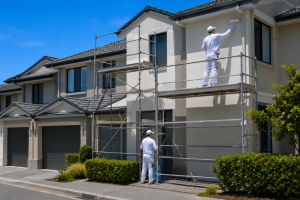
- Painting and exterior works
- Roof repairs or replacement
- Driveway resurfacing
- Replacement of shared assets
A sinking fund forecast (usually prepared by a quantity surveyor every 5 years) outlines expected costs over the short, medium, and long term.
If funding is insufficient, levies may increase to ensure the scheme can meet future expenses without relying on special levies or loans.
4. Level and Frequency of Services
The services provided within a building directly impact levy costs.
These could include:
- Cleaning and gardening
- Pool and lift maintenance
- Security or onsite management
If service levels increase, or service costs rise, levies will typically follow. Smaller schemes may feel these increases more due to fewer owners sharing the costs.
5. Energy and Utility Costs
Levies also cover shared utility expenses such as electricity and water for common areas.
Rising energy prices or increased usage can lead to higher costs. Some buildings invest in energy-efficient upgrades, which may increase costs initially but reduce expenses over time.
6. Inflation and Rising Operating Costs
The cost of running a building increases over time due to:
- Inflation
- Higher labour costs
- Increased cost of materials and service
To maintain service standards and meet obligations, levies must adjust to reflect these rising costs.
7. Compliance and Safety Requirements
Changes in legislation and safety standards can result in additional costs.
Examples include:
- Fire safety upgrades and inspections
- Cladding rectification
- Lift compliance upgrades
- Energy efficiency requirements
These are often mandatory and must be funded by the body corporate.
Do Body Corporate Levies Always Increase?
In most cases, levies will increase gradually over time, however, well-managed schemes aim to:
- Plan ahead with accurate budgets
- Maintain a healthy sinking fund
- Spread costs evenly
This helps avoid sudden or significant increases.
Increasing Levies FAQ
Do body corporate levies increase every year?
Body corporate levies do not always increase every year, but they typically rise over time. This is due to increasing costs such as insurance, maintenance, and utilities. Well-managed schemes aim to keep increases gradual and predictable.
Can body corporate levies go down?
Yes, body corporate levies can decrease, but this is less common. Levies may go down if expenses are reduced, contracts are renegotiated, or if the sinking fund is in a strong financial position. However, most costs tend to increase over time.
What is the main reasons for levy increases?
Insurance premiums are often the biggest contributor to levy increases. In many schemes, insurance is one of the largest budget expenses and has risen significantly due to higher building costs and increased risk factors.
What is the difference between regular levies and special levies?
Regular levies are ongoing contributions paid by owners to cover day-to-day expenses and long-term planning. Special levies are one-off payments raised to cover unexpected costs or shortfalls in the budget.
Are higher levies a bad sign?
Not necessarily. Higher levies can indicate that a building is being properly maintained and financially planned for. Underfunded schemes with very low levies may face larger costs in the future.
Related content
Subscribe To Our Newsletter
More To Explore

Get Ready Queensland Week 2026: Is your body corporate prepared for severe weather?
Get Ready Queensland Week 2026 runs from Monday 5 to Sunday 11 October. It is a timely reminder for Queenslanders to prepare for storms, floods, bushfires, cyclones and other extreme weather before an emergency occurs.

How to report a maintenance issue to your body corporate
Learn how to report a body corporate maintenance issue, what details to include and what happens after you submit a maintenance request.