


Why Special Levies are Raised

Published:

7 Jul 25

Modified: 

21 Aug 26
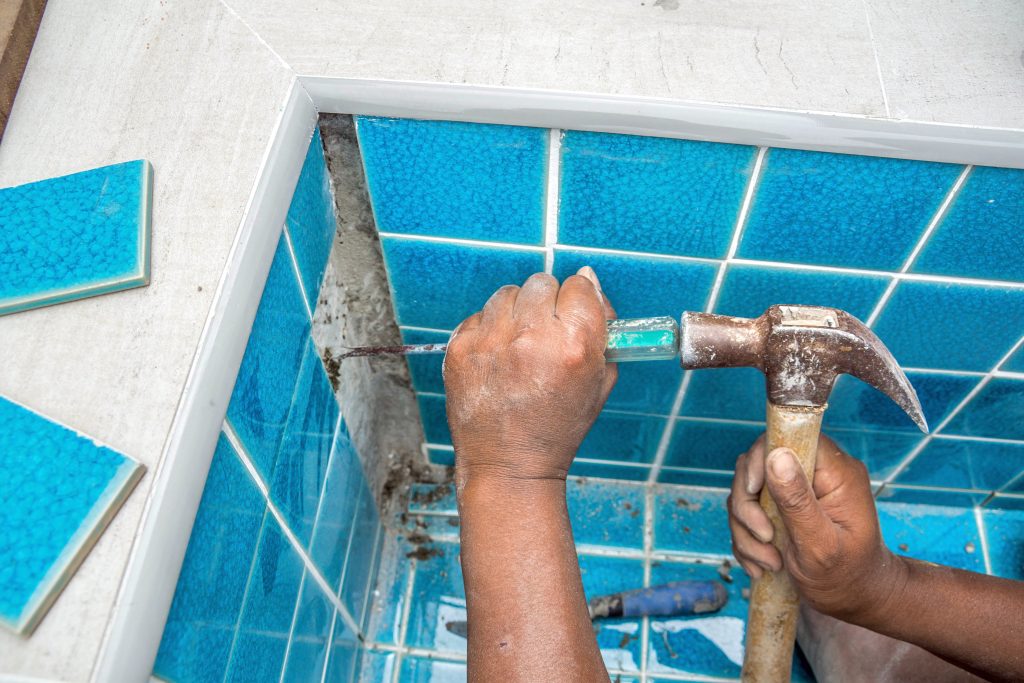
Fixing pool

Special levies are raised when a body corporate needs money it hasn’t already budgeted for, most commonly for unexpected repairs, a shortfall in the sinking fund, legal or compliance costs, or an owner-approved improvement.

It’s a one-off payment, approved by owners at a general meeting under the Body Corporate and Community Management Act 1997 (Qld) (BCCMA), and once passed, it’s legally enforceable in the same way as your regular levies.

Most owners are familiar with their regular quarterly or annual levy contributions. But every so often, a body corporate needs money it hasn’t budgeted for. That’s where a special levy comes in.

What is a Special Levy

A special levy is an additional contribution owners pay on top of their regular levies – not instead of them. Your regular levies fund the body corporate’s approved annual budget. A special levy exists specifically for costs that fall outside it.

The amount each owner pays is worked out the same way as regular levies – based on your lot entitlements, not an equal split between lots. And while it’s raised for a one-off purpose, once it’s approved it carries the same compulsory legal weight as any other levy.

Why are Special Levies Raised?

There are a few common triggers for a special levy:

1. Unexpected Repairs or Damage

Buildings sometimes need urgent work that insurance doesn’t fully cover. For example:

  • Structural problems, such as foundation movement or roof failure
  • Storm, fire, or water damage that exceeds the insurance excess
  • Urgent plumbing or electrical repairs
  • Damage from an event insurance simply doesn’t cover

2. Sinking Fund Shortfall

The sinking fund exists to pay for major, foreseeable capital works. Things like repainting, roof replacement, or lift servicing. A shortfall can happen a few different ways: past budgets may have underestimated these costs, contributions may not have kept pace with the body corporate’s maintenance plan, or the work may simply be needed sooner than expected. In any of these cases, there may not be enough set aside when the work needs to happen.

3. Legal or Compliance Costs

Tribunal or court proceedings, dispute resolution, or work required to meet updated building or safety regulations can all create costs that weren’t in the original budget.

4. Owner Approved Improvements

Owners sometimes vote to fund something beyond routine maintenance like solar panels, upgraded security, or improved common areas. If it wasn’t budgeted for in advance, a special levy is often how it gets paid for.

How Are Special Levies Approved?

Under the BCCMA, a special levy can’t simply be decided by the committee. It must be put to owners and approved at a general meeting, typically the annual general meeting (AGM) or an extraordinary general meeting (EGM).

  1. A motion is proposed by the committee or a lot owner clearly setting out why the levy is needed, the total amount to be raised, how the money will be spent, and how much each lot will be required to pay.
  2. Owners vote, usually by ordinary resolution (a simple majority of votes cast). Note that some larger or more unusual decisions, particularly certain improvements to common property, may require a special resolution instead, depending on the value and nature of the works and which regulation module your scheme falls under (Standard, Accommodation, Commercial, Small Schemes, or Specified Two-lot Schemes).
  3. Once passed, the levy becomes binding. The body corporate issues formal levy notices to every owner, setting out the amount owed and the due date.
  4. Payment is usually required as a lump sum, though committees can sometimes agree to staged payments or an extended deadline, depending on the size of the levy and its impact on owners.

If an owner doesn’t pay by the due date, the body corporate has the same recovery rights it has for unpaid regular levies. This can include interest charges, legal costs, and, if necessary, court or tribunal action.

Special levies can catch owners off guard, especially when the amount is significant. If you’re going to struggle to pay one, it’s worth talking to your committee or body corporate manager early. A payment plan is often possible and is a far better outcome than falling into arrears.

Related content

Share This Post

Subscribe To Our Newsletter

Is BCsystems your current body corporate manager?
You are

More To Explore

Townhouses
Maintenance

What Is a Standard Format Plan?

What is a Standard Format Plan? A plain-English guide for body corporate owners and committees on lot boundaries and maintenance responsibility