parking in a body corporate
With shared spaces, designated bays, visitor parking, and rules set out in by‑laws, it’s important to understand how parking is managed and what your rights and responsibilities are.
Recent legislation in Queensland now allows bodies corporate to tow vehicles that are parked in breach of these by‑laws, giving committees clearer powers to manage unauthorised or unsafe parking and help maintain harmony within the community.
This guide will help you navigate the key rules, your obligations, and practical tips for managing parking in a body corporate.
resources
LEGISLATION AND FACT SHEETS

Body Corporate & Community Management Act
Queensland Government

Parking Rules & Fines
Queensland Transport

Parking & Towing
Queensland Transport
PETS IN HOLIDAY LETTING
Holiday apartment buildings are still body corporate schemes but with a slightly different use.
Catering to short-term residential stays, you will most likely find by-laws appropriate to the accommodation and catering to a quick turnover of residents. These may allow pets without a formal body corporate approval process, if they are disclosed at the time of booking.
Check the terms and conditions of your booking, which should reflect the by-laws of the property.
PETS IN HOLIDAY LETTING
Holiday apartment buildings are still body corporate schemes but with a slightly different use.
Catering to short-term residential stays, you will most likely find by-laws appropriate to the accommodation and catering to a quick turnover of residents. These may allow pets without a formal body corporate approval process, if they are disclosed at the time of booking.
Check the terms and conditions of your booking, which should reflect the by-laws of the property.
MULTIPLE PETS
Holiday apartment buildings are still body corporate schemes but with a slightly different use.
Catering to short-term residential stays, you will most likely find by-laws appropriate to the accommodation and catering to a quick turnover of residents. These may allow pets without a formal body corporate approval process, if they are disclosed at the time of booking.
Check the terms and conditions of your booking, which should reflect the by-laws of the property.
PETS IN HOLIDAY LETTING
Holiday apartment buildings are still body corporate schemes but with a slightly different use.
Catering to short-term residential stays, you will most likely find by-laws appropriate to the accommodation and catering to a quick turnover of residents. These may allow pets without a formal body corporate approval process, if they are disclosed at the time of booking.
Check the terms and conditions of your booking, which should reflect the by-laws of the property.
Can I take my pet into a holiday apartment?
Do I need to apply?
In Queensland, the process for approving pets in body corporate schemes is guided by the specific by-laws of each building. These by-laws often include a clause requiring residents – both owners and tenants, to obtain formal approval from the body corporate committee before keeping or bringing a pet onto the property.
As a result, pet applications are a common item on committee agendas, with each request requiring a vote.
abandoned vehicles
WHAT IS THE CURRENT LEGISLATION?
The Queensland Government has introduced legislation that strengthens a body corporate’s ability to deal with parking breaches within community titles schemes, particularly where vehicles create safety risks or obstruct access.
What has changed?
Previously, a body corporate generally needed an order from the Commissioner’s Office before taking enforcement action for by-law breaches, including illegally parked vehicles. This process could take many months, making it ineffective for urgent issues like blocked driveways or fire access points.
Under the latest legislation, bodies corporate no longer need an order to tow a vehicle in certain circumstances.
New authority to tow vehicles
Bodies corporate now have the legal power to tow vehicles that are:
Parked without permission, or
Obstructing access, emergency routes, garages, or common property, or
Creating a safety hazard.
Reasonableness and proportionality are key
While towing is now permitted without prior approval, bodies corporate must act reasonably and proportionately. This means:
Following the required procedures, including notice where appropriate
Ensuring the response matches the seriousness of the breach
For example, towing a vehicle blocking a main driveway or fire exit may be reasonable, while towing a car that slightly exceeds visitor parking time may not be.
Responsibilities for committees
The new laws place greater responsibility on body corporate committees to:
Review and update parking by-laws so rules are clear and unambiguous
Communicate parking and towing rules clearly to residents and visitors
Apply enforcement consistently and fairly
Seek professional advice where needed to ensure compliance with the legislation
Towing cars: New legislation addressing parking violations in a body corporate
TYPE OF PARKING
Types of Parking in a Body Corporate Scheme
bY-lAWS
Body corporate by-laws are the rules that govern how a community titles scheme operates and how owners, occupiers, and visitors must behave within the scheme.
By-laws typically cover matters such as:
- Use of common property
- Behaviour of residents and visitors
- Noise, pets, and waste disposal
- Parking and vehicle use within the scheme
All owners, tenants, and visitors are required to comply with the scheme’s by-laws.
Parking within a body corporate scheme is primarily regulated through the scheme’s by-laws. These set out where vehicles may and may not park, how long vehicles can remain in certain areas, and who is entitled to use specific parking spaces.
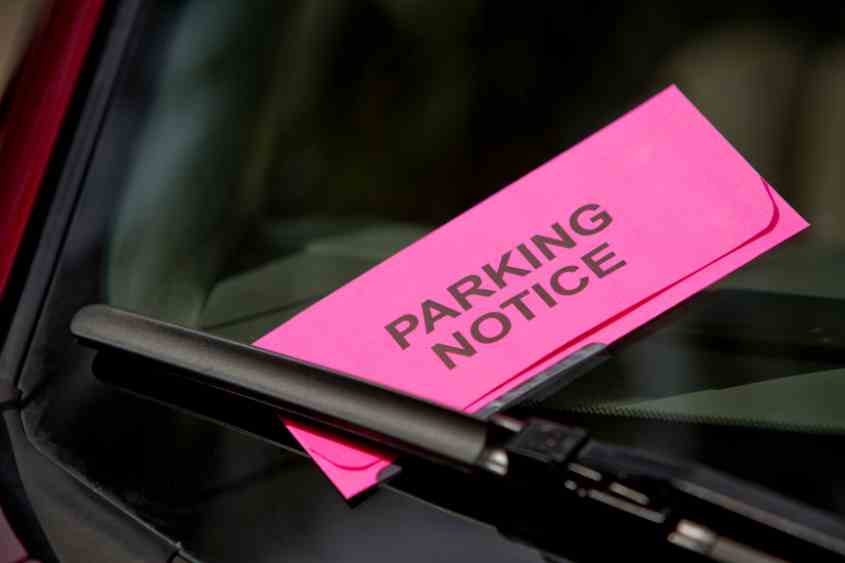
If a vehicle is parked in breach of the by-laws, the body corporate may take enforcement action in accordance with the BCCM Act. This can include issuing by-law contravention notices and, in certain circumstances, arranging for the vehicle to be towed where it poses an obstruction or safety risk.
Do Body Corporate By-Laws Need to Be Enforced?
By-laws: The basics
TYPES OF PARKING
Exclusive Use / Lot Parking
Exclusive use parking spaces are tied to a specific lot. If your unit or townhouse comes with a designated parking space, it’s yours to use at any time. These spaces are often allocated in the body corporate plan and may be numbered or otherwise identified. Owners or tenants cannot typically rent, sell, or allow others to use these spaces without the approval of the body corporate, as they are considered part of your lot’s entitlements.
Common Property Parking
Common property parking spaces are shared among all residents and are not assigned to any particular lot. These may include open parking areas, carports, or garages not linked to a specific unit. While anyone in the community can use these spaces, the body corporate may establish rules for fair use, such as parking permits, time limits, or restrictions for commercial vehicles.
Visitor Parking
Visitor parking is designed for short-term use by guests. These spaces are often clearly marked and may have time restrictions, such as two-hour limits, to ensure availability. Residents should advise their guests on these rules and ensure they don’t use spaces meant for residents. Some schemes require the body corporate to maintain a visitor register or provide temporary permits to manage these spaces.
Disabled Parking
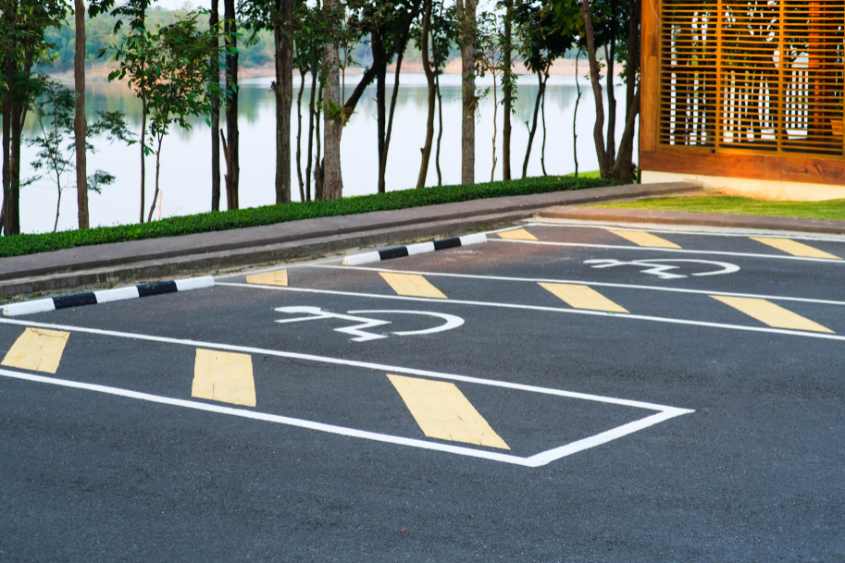
Disabled parking spaces are legally protected and must be used only by vehicles displaying a valid disability parking permit. Bodies corporate have a responsibility to maintain adequate disabled parking in compliance with local laws and accessibility standards. Misuse of these spaces can attract fines and create safety issues for those who genuinely need them.
LEGISLATION
Lorem ipsum dolor sit amet, consectetur adipiscing elit. Ut elit tellus, luctus nec ullamcorper mattis, pulvinar dapibus leo.